

Tigray Academy | Dec 21/2023
By Dr Gebrewahid Woldu
Note: this is not meant to be a recommendation, it is a discussion of the scientific evidence. It is not consecutively written of the two previous articles, but it is vital to prevent diabetic complications but also prevent developing diabetes as well.
PROTEIN:
The building blocks of protein are called amino acids. There are 20 amino acids, 9 of which are called essential amino acids meaning our body can’t make them and must be obtained from the food we eat. Proteins are one of the major macronutrients (carbohydrates and fats are the others) needed for building and repairing many tissues – muscle, skin, and other cells.
What is the difference between animal and plant protein?
Isn’t protein the same no matter where you get it? Not quite.

First, we don’t eat protein in isolation, but in combination with other nutrients such as saturated fat (bad fat) and cholesterol in animal food. Even though animal protein is considered “complete” that it provides all 20 amino acids, including the 9 essential amino acids, as I will discuss later, excess of some of these amino acids are indicated in many chronic diseases including diabetes. Animal protein also lacks vital nutrients. On the other hand, plant proteins come packaged with very important nutrients for our health, such as fiber, phytochemicals (plant chemicals), antioxidants (vitamins), and minerals. Some concerns about plant protein being “incomplete” but you can get them easily by eating a variety of plant-based food. Two-thirds of the Western world gets its protein from animal sources and one-third from plant sources, while the rest of the world gets its protein in reverse order.
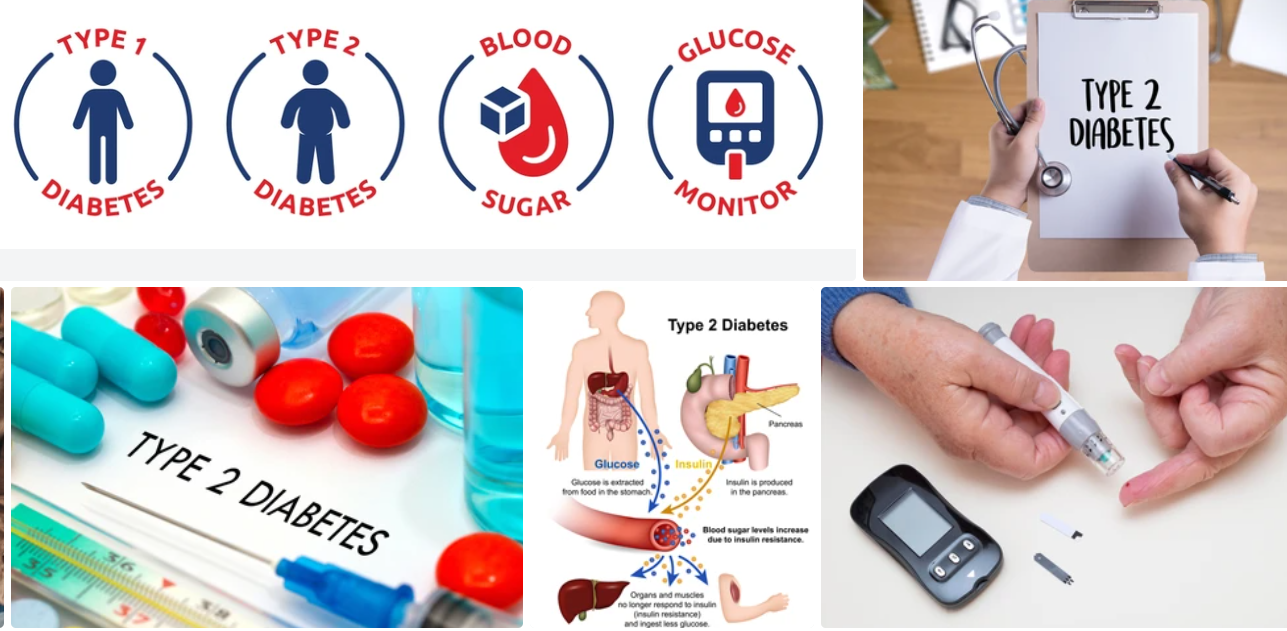
First pathophysiology of diabetes (type 2 diabetes mellitus):
The hallmarks of diabetes are:
- Insulin resistance (which means that insulin has become inefficient opening the door key to let blood sugar in to be used as energy or stored in muscle cells, liver, etc. As we will see animal-based food affects a great deal in insulin action or inaction.
- Impaired insulin secretion. The cells that produce insulin are called beta- cells which are found in the pancreas. The failure of these cells to respond to high blood sugar levels develops long before diabetes is diagnosed. It is estimated that by the time someone is diagnosed with diabetes, already have about 40 to 60 percent of beta-cell function has been lost. This occurs in phases: Phase one(A) which precedes overt diabetes and is slow and constant beta-cell function decline (about 2 percent a year). Phase two(B), coincides with the development of diabetes and occurs at a much faster pace (about 18 percent a year. Some estimate that, after 15 years of uncontrolled diabetes, less than 10 percent of beta cells are functioning. People need to understand this and take diabetes seriously. It is a very cruel disease.
Most of the discussion here is about type 2 diabetes (hereafter will be called T2D).
Animal food (protein and fat) affects insulin sensitivity and the development of T2D.
Animal food is associated with many chronic diseases
. Heart disease
. Hypertension
. Diabetes mellitus
. Certain cancers
. Osteoporosis
. Inflammation (which is the basis of all chronic diseases).
. obesity: overweight/obese are at greater risk of developing T2D.
WHAT CAUSES INSULIN RESISTANCE:
A 2013 meta-analysis of all cohort studies of the relationship between meat and diabetes found that there was a higher risk of diabetes and meat, processed meat, particularly POULTRY.
The chicken was found to be associated with the most weight gain(surprise!!!!) It has also high salt content (in the west they sell in by pounds and they add salt and water)
Why?
Is it Protein? (certain amino acids), Saturated fat? (bad fat, trans fat), cholesterol? heme iron? and advanced glycation End Products (AGEs)? and will discuss each effect of T2D.
HOW DOES ANIMAL PROTEIN AFFECT DIABETES?
Adequate protein intake is necessary for our health and to avoid muscle mass loss termed sarcopenia. We lose muscle mass 1 percent every year, which starts at age 30 but accelerates by age 40.
Observational studies showed that animal protein intake is associated with a major risk of diabetes. Excess animal protein intake increases the risk of diabetic kidney disease and animal protein, and saturated fat intake is the primary cause of heart disease. On the other hand, plant proteins are protective.
Observation and randomized studies showed that improved blood sugar control by replacing animal protein with plant protein. It is thought that the excess BRANCHED–CHAINED AMINO ACIDS (BCAA) is found in higher concentrations of animal protein. High levels of these BCAA are associated with obesity and insulin resistance. Less consumption of BCAA improves our metabolic health. Research has demonstrated that a reduction in animal protein improves metabolism health, improves blood sugar levels, and decreases body fat. Now we know that the mechanism of longevity with calorie restriction is because of restriction in the BCAA, not the total calories per se.
THE IGF-1 hormone:
IGF-I hormone is an important growth hormone during pregnancy and childhood, but it promotes the aging process later in life. Animal protein (especially the BCAA) stimulates IGF-1. For example, the high level of the BCAA, Leucine, appears to burn out the insulin-producing beta cells in the pancreas. The lower level of IF-1 is associated with enhanced life span(longevity) and enhanced insulin sensitivity. It is not only to the high fat, added sugar, and refined carbohydrates, but it is important to pay attention to the amount of animal protein consumption.
IGF-1 AND CANCER:
The BCAA (such as leucine and methionine) which are high in animal protein, chicken and fish with the highest levels, and red meat, milk, and eggs have less but more than plant-based proteins.
The European Prospective Investigative into Cancer and Nutrition (EPIC) Study found that high IGF-1 levels were associated with a 40 percent increase in breast cancer in women over age 50. The Nurse’s Health Study also found high IGF-1 with double the risk of breast cancer. High levels of IGF-1 are also associated with increased risk of colorectal, prostate, and other cancers.
Lower levels of these BCAA are only achieved by restricting animal proteins.
HEME IRON:
Heme iron, found in animal flesh, all meat but more in red meat, can create free radicals, and oxidative stress, leading to chronic inflammation and T2D. Toxins, called glycotoxins or Advanced Glycation end products (AGE), are found naturally but are also produced during cooking types such as roasting, grilling, fried, and broiling. In an experiment people with diabetes were fed with high glycotoxins like chicken, fish, and eggs, where their inflammatory markers went up. In diabetes, dietary AGE promotes inflammation, which results in tissue damage. Glycation is a nonenzymatic chemical reaction of sugar molecules to a protein or lipid (fat) molecule. They are present naturally in food, but at a much higher level if meat is cooked at dry high temperature mentioned above. Steaming and boiling meat reduces the already high-level toxins present in animal fat and protein. Increased consumption of animal fat and meat has been associated with the development of T2D.
KIDNEY DISEASE:
A healthy kidney filters out toxic waste products from the bloodstream and removes them through urine. Research found that animal protein, fat, and cholesterol are associated with declining kidney function. Amino acids are acidic, and proteins increase the acid load on our kidneys. High levels of animal protein are associated with kidney function decline. The kidney appears to handle plant protein better.
SATURATED ANIMAL FAT:
Consumption of animal fat and carrying excess fat is the number one risk for T2D. Meat consumption was found to be associated with weight gain, especially chicken was associated with the most weight gain. Most diabetics die of heart attack (people with diabetics and females usually don’t present with typical chest pain when they are having a heart attack).
How does fat cause insulin resistance?
While Saturated fats found in meat, dairy, and eggs cause insulin resistance, not the monounsaturated fats found in nuts, olives, and avocados which are protective.
Fat inside the muscle cells and liver interferes with insulin action. The muscle is the largest organ in our body and consumes most of our blood sugar (and I believe strengthening exercise is the most effective in managing diabetics). The fat infiltrating the muscle is called INTRAMYOCELLULAR LIPID (fat). These fats, inside the muscle cells, jam up the door locks preventing insulin action. Fat inside the muscle also releases toxic breakdown products and free radicals that block insulin action.
The spillover effect:
Adipose tissue (fat cells).
In adults, fat tissue increases in size (doesn’t increase in number). In overweight/obese people the fat cells expand(enlarge) and when they are filled to the maximum, they spill fat into the bloodstream. These free fatty acids circulate in the bloodstream, without being packed into Triglyceride. This toxic fat breakdown causes low grade inflammation and oxidative stress which leads diabetics to insulin resistance in their muscles. As the level of free fat increases the body is not able to effectively clear blood sugar. These toxic-free fatty acids come from the fat we eat and the fat we store. Weight loss improves insulin sensitivity.
DIABETES and FAT:
Insulin resistance is closely associated with fat accumulation within our muscle cells, liver, and pancreas. The fats within these organs interfere with insulin function and in the development of T2D. It is saturated animal fat; the culprit is not plant-based fat. The pancreas pumps out more and more insulin to overcome the insulin resistance caused by accumulated fat. The high insulin leads to further fat accumulation, a vicious cycle leading to pancreas burnout, and the development of T2D.
PLANT PROTEIN AND DIABETES:
People are concerned about not getting enough protein but except in the West, the rest of the world, plants provide over 80 percent of calories, and where do you think the animal, we eat get their protein? Some plants are low in one or two amino acids it is important to eat variety. You may also want to get a supplement of B vitamins ( B12), iron and vitamin D.
The protective effects of whole plant food are because plant protein is packaged with – fibers, phytochemicals (plant chemicals) also called phytonutrients, and antioxidants. As discussed before, free radicals are triggers in the development of insulin resistance, and the antioxidants in plant food help calm down these free radicals.
Plant-based diets due to their high content of phytochemicals and antioxidants result in reduced inflammation, oxidative stress, and IGF-1. The lower level of IGF-1 enhances insulin sensitivity and maximizes longevity.
Studies show that plant-based:
Plant proteins have a more moderate response compared to animal-based proteins due to their fiber content and amino acid composition.
Fiber (a topic that needs separate discussion).
Fiber decreases insulin resistance and helps control blood sugar because it helps slow down carbohydrate absorption.
Fiber in plants also helps control weight and improve gut health
People who get their calories from plants weigh less and have a lower risk of many chronic diseases- heart disease, T2D, cancer, obesity, hypertension and live longer.
I know some of the terms I used such as phytochemicals, antioxidants, oxidative stress, and even fiber may not be familiar to some people, and I plan to discuss them separately.
This discussion was about animal vs plant protein.

Be well.
Leave a Reply